


















Manual Xiaomi 17 Ultra Testing
- Live interactive sessions on real Xiaomi 17 Ultra
- Large AMOLED gesture and HDR testing
- Screenshot, screen-record and HyperOS log capture
- Validate HyperOS 3 home screen and lock-screen flows
Pcloudy has the Xiaomi 17 Ultra — instant access, no procurement. HyperOS 3 aggressively suppresses background apps under memory pressure. Your OTP delivery, banking alerts, and payment notifications may not arrive as expected. Real hardware tells you how. Emulators don't.
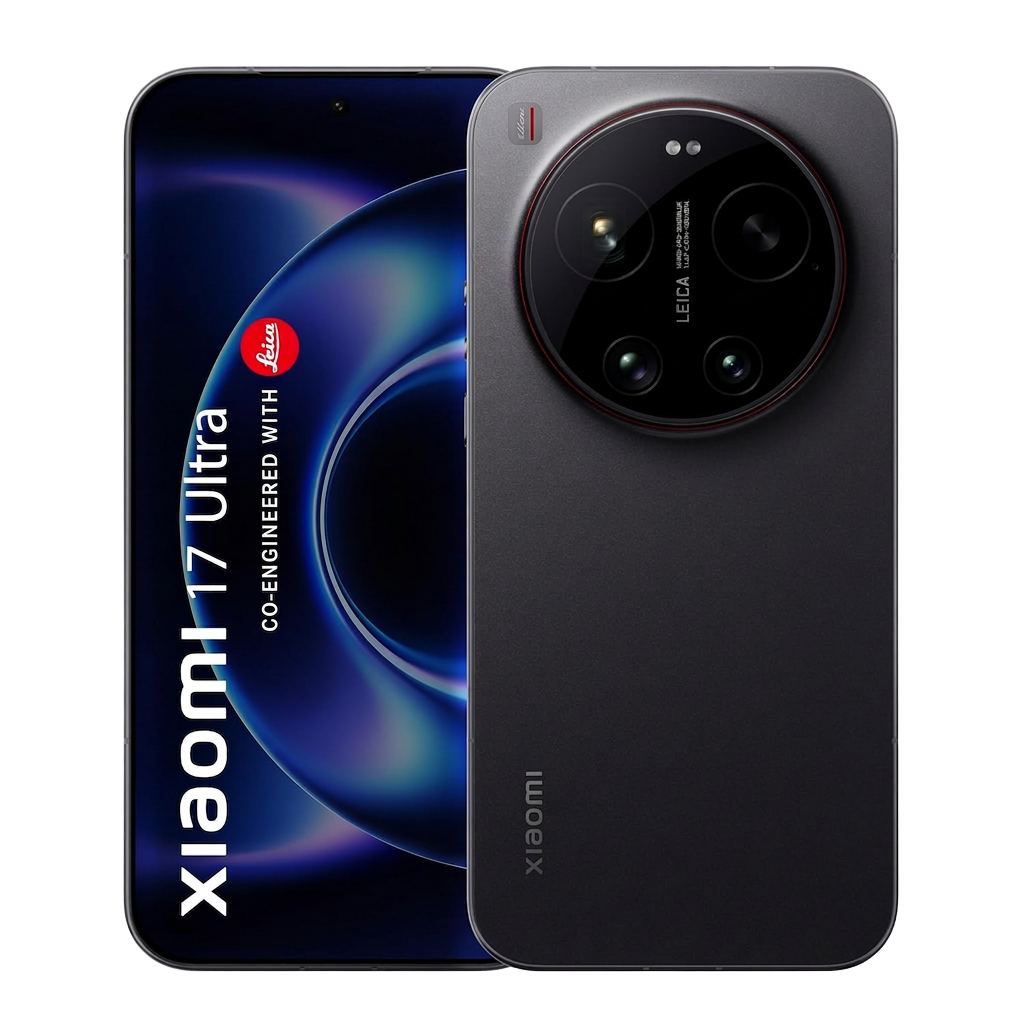
Xiaomi 17 Ultra introduces a new camera API behavior, HyperOS 3's aggressive background management, and a high-capacity Xiaomi Surge battery — none of which an emulator can simulate.
Xiaomi's Ultra line is built around its Leica-tuned multi-camera system with high-resolution main sensor and long-range periscope telephoto. Document scanning, KYC capture and check-deposit apps must be re-validated for new auto-focus and capture-callback behavior.
Xiaomi's third-generation Android layer reshapes the home screen, lock screens and system search. Push notifications, OTP delivery and real-time payment flows all behave differently versus stock Android 16, One UI 8.5 or OxygenOS 16.
Xiaomi's Surge battery platform — paired with HyperCharge wired and wireless charging — throttles background apps, location services and network requests aggressively under HyperOS 3. Banking apps relying on background sync must be specifically validated.
Xiaomi 17 Ultra and recent Xiaomi flagships — all real, all on-demand.
Manual, automated, performance and agentic AI testing — all on the real Xiaomi 17 Ultra.
Autonomous QA agents running on real Xiaomi 17 Ultra hardware.
Describe a Xiaomi 17 Ultra flow in plain English — get a working Appium / Espresso script for HyperOS 3 in seconds.
Scripts auto-adapt when HyperOS 3 updates redesign system dialogs or relocate UI elements between versions.
80% less maintenanceGoal-driven AI explores your app on the real Xiaomi 17 Ultra, finding HyperOS 3 background-process bugs without scripts.
70% faster executionThe Leica-tuned Ultra camera, HyperOS 3 and Xiaomi's Surge battery platform — none reproducible in Android Studio Emulator.
Xiaomi's Ultra camera system pairs a high-resolution main sensor with a long-range Leica-tuned periscope telephoto — auto-focus, stabilisation and capture callbacks behave differently from prior generations. Banking apps using the camera API for KYC and check deposit must be re-validated specifically for the Xiaomi 17 Ultra zoom system.
HyperOS 3 ships with one of the most aggressive background-process managers among current flagships. Push notifications, OTP delivery and fraud-detection alerts behave differently versus stock Android 16, One UI 8.5 and OxygenOS 16 — and only real hardware exposes the difference.
Xiaomi holds significant share in India, Singapore and UAE — Pcloudy's primary ICP geographies. Banking apps targeting these markets must validate OTP, push and background sync on real Xiaomi 17 Ultra HyperOS 3 hardware.
Real production issues that only surface on real Xiaomi 17 Ultra hardware.
Auto-focus and capture callbacks fire on different timelines under the long-range Leica periscope versus prior digital-zoom devices.
OTPs and real-time payment notifications get delayed under HyperOS 3's aggressive doze policy.
On-device fraud and biometric models tuned for 8 Gen 3/4 produce shifted confidence scores on 8 Elite Gen 5.
Background sync and real-time fraud monitoring stall under HyperOS 3 power management at low battery states.
Your Xiaomi 17 Ultra users don't run emulators. Neither should your QA pipeline.
Upload your APK or AAB to Pcloudy, pick a real Xiaomi 17 Ultra, and launch a manual or automated session in seconds — no physical device needed.
Yes — real HyperOS 3 on Android 16, with first-party OTA updates.
Yes — the full Android camera2 API on the real Xiaomi 17 Ultra Leica-tuned camera stack, including auto-focus and capture callbacks.
Yes — Appium, Espresso and UIAutomator run against the real Xiaomi 17 Ultra, in parallel and from your CI.
Yes — Pcloudy is PCI-DSS, SOC 2 Type II, ISO 27001 and GDPR certified, and supports on-prem and air-gapped deployment.
Yes — Xiaomi has significant share in those regions and the Xiaomi 17 Ultra is a primary BFSI compatibility target on Pcloudy.




SSL Secured | GDPR Compliant | No Spam
By submitting this form, you agree to our Privacy Policy.
Trusted by 2000+ enterprises
Your 30 minutes demo includes:


Trusted by global leaders